
Sustainability has become a defining factor in modern industrial operations. From chemical processing to food manufacturing and oil refining, industries worldwide are focusing on energy-efficient, low-waste, and environmentally responsible production methods. One component playing an essential yet often overlooked role in this transformation is the gear pump.
Known for its precision, reliability, and adaptability, the gear pump has evolved into a key contributor to sustainable industrial practices. Let’s explore how these pumps are driving efficiency, minimizing waste, and helping industries move toward a greener future.

Understanding Gear Pumps and Their Function
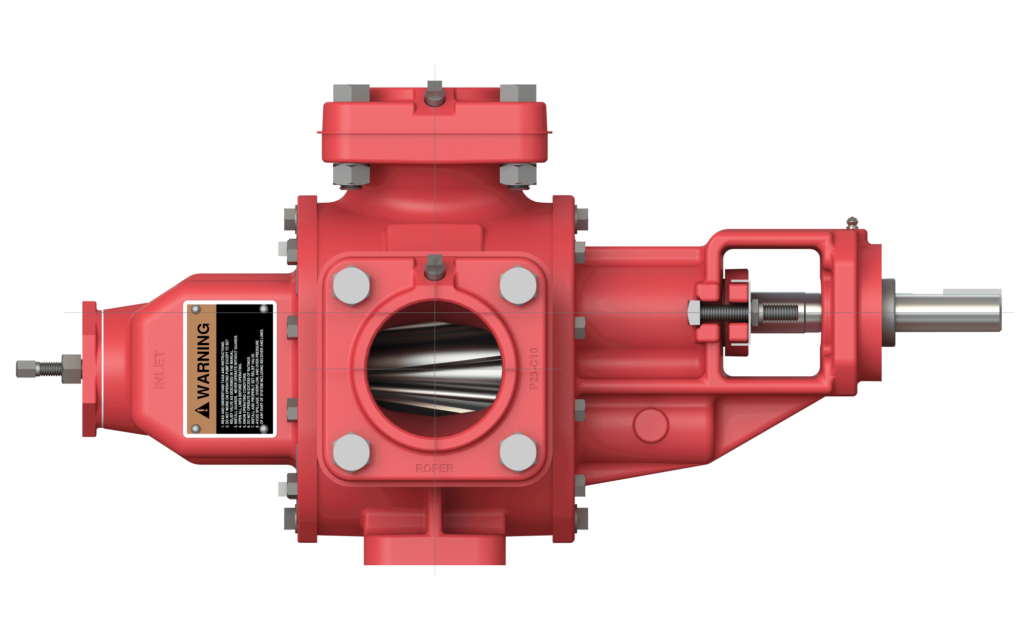
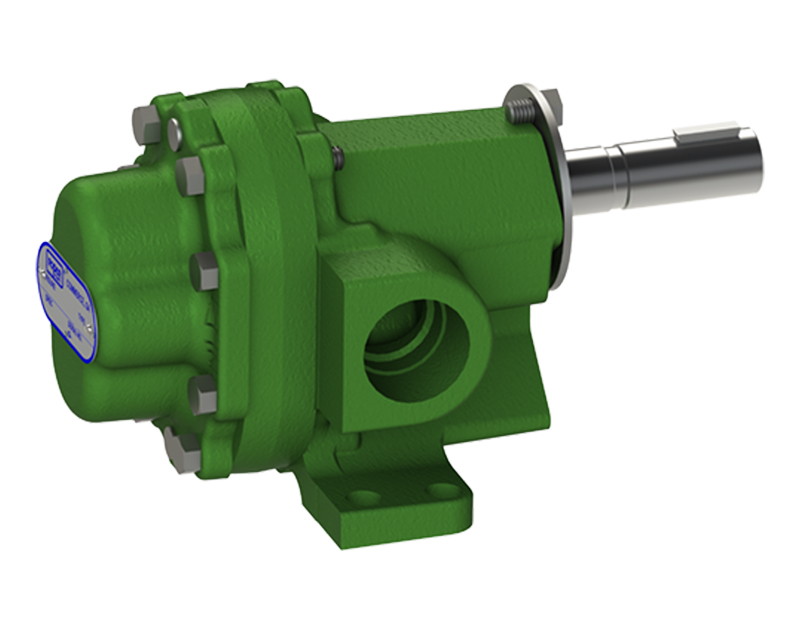
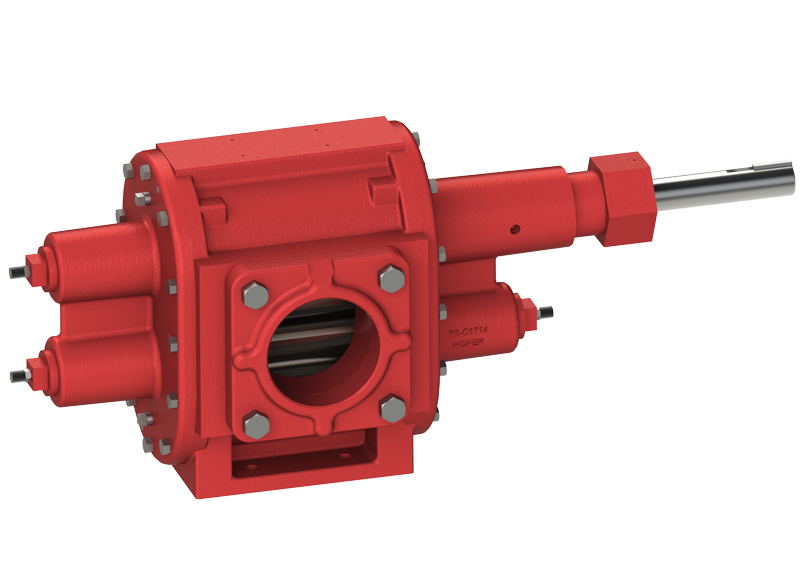
A gear pump is a type of positive displacement pump that uses meshing gears to move fluids. It operates by trapping a specific amount of liquid between the gear teeth and the pump casing, then transferring it from the inlet side to the outlet side with consistent pressure and flow.
There are two main types of gear pumps: external gear pumps y internal gear pumps.
- External gear pumps feature two identical gears that rotate against each other, suitable for high-pressure and high-speed applications.
- Internal gear pumps use a rotor and an idler gear, offering quieter operation and smoother flow, ideal for viscous liquids or delicate materials.
Because of their precision, chemical gear pumps are often used in industries that handle sensitive or hazardous materials — such as chemicals, pharmaceuticals, and food additives — where maintaining accurate dosing and preventing leaks are critical.
Energy Efficiency: Reducing Industrial Power Consumption
Energy conservation is one of the cornerstones of sustainable manufacturing. Traditional pumping systems can be energy-intensive, leading to high operational costs and a significant carbon footprint. In contrast, bombas de engranajes are designed to deliver consistent pressure with minimal energy loss.
Their simple mechanical design, tight clearances, and ability to maintain flow without pulsation reduce the need for high-power motors. This not only conserves electricity but also decreases overall system wear and tear, extending the life of both the pump and connected machinery.
In chemical applications, chemical gear pumps are particularly efficient because they maintain steady flow rates even when dealing with highly viscous or corrosive fluids. The consistent energy output translates into lower emissions and less wasted power — a significant contribution to greener industrial performance.
Precision and Waste Reduction
A major challenge in industrial operations is minimizing material waste. Whether it’s mixing, metering, or transferring fluids, even small inaccuracies can lead to product losses and increased waste. Gear pumps excel in precision fluid handling, delivering exact volumes per revolution.
Their consistent output ensures that ingredients or chemicals are used efficiently, reducing overuse and waste. This precision is invaluable in sectors like paints and coatings, lubricants, and chemical processing, where maintaining the correct formulation directly impacts quality and sustainability.
Moreover, the precise metering of a chemical gear pump minimizes contamination risks by keeping fluids contained and reducing leaks — an essential step in maintaining safe and environmentally responsible production lines.
Durability and Longevity: A Sustainable Design Advantage
Sustainability isn’t only about energy efficiency or reduced waste — it’s also about longevity and resource optimization. Gear pumps are renowned for their robust design and long service life.
Their compact structure, minimal moving parts, and sturdy materials like stainless steel or cast iron ensure durability even under demanding conditions. This means fewer replacements, less maintenance downtime, and reduced consumption of spare parts — all of which align with sustainable operational goals.
Because of their corrosion-resistant materials and smooth operation, chemical gear pumps are particularly effective in harsh industrial environments. Their durability helps companies cut down on frequent replacements, reducing manufacturing waste and extending equipment life cycles.
Leak Prevention and Environmental Safety
Leaks and spills are a major environmental hazard in the chemical and process industries. Even a small amount of leakage from pumps can cause contamination, safety risks, and regulatory issues. Gear pumps, especially chemical gear pumps, are engineered with tight tolerances and secure sealing mechanisms that significantly reduce leakage.
This containment ability ensures that harmful fluids do not escape into the environment. In addition, their design prevents air from entering the system, which helps maintain process purity and prevents oxidation or degradation of sensitive materials.
The result is a cleaner, safer, and more environmentally friendly production environment — a core element of sustainable industrial operations.
Supporting Renewable and Green Industries
As renewable energy and sustainable products continue to grow in importance, bombas de engranajes are finding new roles in green technologies.
They are used in:
- Biofuel production, for handling plant-based oils and methanol mixtures.
- Renewable lubricants, where maintaining purity is essential.
- Recycling operations, transferring viscous or reclaimed fluids.
Their ability to handle a wide range of viscosities makes them ideal for these applications, helping renewable industries operate efficiently and safely.
In bio-based and chemical recycling processes, chemical gear pumps ensure accurate metering and controlled transfer, minimizing waste and energy consumption. These precise systems help manufacturers meet sustainability targets while maintaining productivity.
Low Maintenance and Operational Efficiency
One of the often-overlooked sustainability benefits of bombas de engranajes is their low maintenance requirement. Their simple design reduces mechanical friction and component wear, resulting in fewer breakdowns and lower maintenance costs.
This operational reliability translates into fewer service interruptions and extended uptime — critical factors in reducing resource waste. Every time equipment is taken offline for repairs, additional energy, materials, and manpower are consumed. Reliable, low-maintenance chemical gear pumps help minimize these inefficiencies, making industrial operations more streamlined and eco-friendly.
Noise Reduction and Workplace Sustainability
Sustainability also extends to the workplace environment. Excessive noise from industrial equipment can contribute to worker fatigue and hearing issues. Internal bombas de engranajes, in particular, are known for their quiet operation compared to centrifugal or piston pumps.
By reducing noise pollution and vibration, these pumps create safer and more comfortable working conditions. Improved workplace sustainability not only enhances employee well-being but also supports compliance with occupational health and safety standards.
The Role of Gear Pumps in a Circular Economy
The concept of a circular economy emphasizes resource reuse, waste minimization, and product life extension. Gear pumps support this model by enabling efficient handling of recycled or reclaimed fluids.
Whether in reprocessing lubricants, recycling solvents, or transferring biodegradable chemicals, these pumps provide the consistency and control needed for sustainable material management.
Chemical gear pumps are particularly suited for closed-loop systems where leak prevention and precise dosing are essential — reinforcing circular economy principles through clean, efficient operations.
Small Components, Big Impact
While often considered a background component, the gear pump plays a surprisingly crucial role in advancing sustainable industrial operations. Its energy efficiency, precision, reliability, and adaptability make it an invaluable tool across diverse sectors.
From cutting energy costs to minimizing waste, preventing leaks, and supporting renewable processes, both bombas de engranajes y chemical gear pumps are driving industries toward a more efficient and eco-conscious future.
In a world where sustainability is no longer optional but essential, even the smallest components — like the gear pump — can make a big difference in achieving greener, smarter, and more responsible industrial performance.
 Spanish
  English