
In industrial machinery, the seamless interaction of mechanical components often determines the longevity and reliability of the entire system. Two critical elements that frequently work in tandem are divisores de caudal y lube oil pumps. While they serve distinct purposes, their combined functionality is essential for maintaining consistent fluid distribution and protecting moving parts from premature wear. For engineers and maintenance professionals evaluating system health, understanding how these components interact can clarify common performance bottlenecks and maintenance priorities.
The Roles of Fluid Handling Components
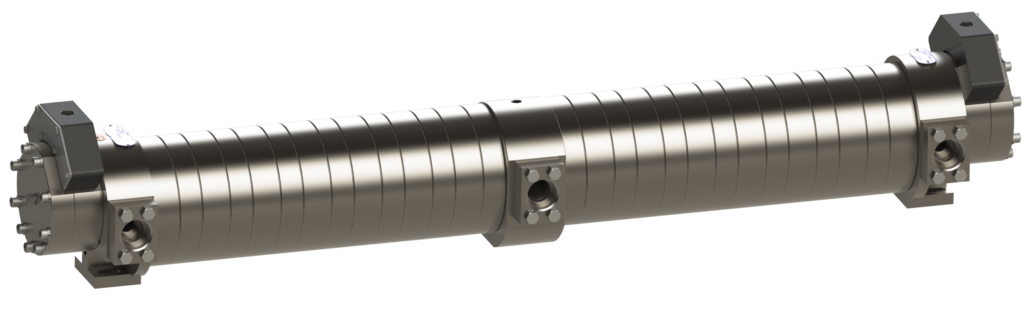
At a high level, these two components manage fluid behavior in different ways to support overall mechanical operation. A lube oil pump is generally tasked with the movement of lubricant throughout a system. Its primary objective is to ensure that critical friction points—such as bearings, gears, and sliding surfaces—receive a steady, reliable supply of oil. By maintaining a constant flow, the pump creates the hydrodynamic film necessary to prevent metal-on-metal contact, which is the most common cause of component degradation.
In contrast, divisores de caudal act as the distribution logic of a hydraulic or lubrication circuit. When a system requires fluid to be delivered to multiple branches or independent zones, a simple pump may not be sufficient to ensure equal or proportional distribution. If one branch of a system presents lower resistance, the fluid will naturally take the path of least resistance, potentially starving other critical areas. Flow dividers resolve this by taking a single input flow and splitting it into multiple, controlled outlet streams, regardless of the pressure requirements at each individual outlet.
How Interaction Impacts Operational Stability
The relationship between these components is often the difference between a machine that runs smoothly and one that suffers from uneven thermal loads or localized mechanical failure. When a lube oil pump delivers fluid to a circuit equipped with divisores de caudal, the system gains a layer of sophistication. The pump provides the necessary energy, and the divider ensures that the lubrication reaches its destination in precise, predictable quantities.
This combination is frequently utilized in systems where:
- Multiple bearing banks need simultaneous lubrication.
- Independent hydraulic actuators require synchronized movement.
- High-pressure circuits must maintain steady operation despite varying downstream loads.
When these components are sized and integrated correctly, the system tends to operate within a tighter range of temperatures and pressures. Conversely, if either component is improperly specified, the system may experience turbulence, aeration, or inconsistent lubrication pressure. Professionals typically evaluate the performance of these components by monitoring pressure drops across the divider and assessing the flow consistency at each exit port, ensuring that the lube oil pumps are not forced to work against excessive backpressure caused by restricted flow paths.
Key Considerations for System Selection and Maintenance
Selecting and maintaining divisores de caudal y lube oil pumps involves several technical considerations that vary depending on the specific application. One of the most important factors is fluid viscosity. As environmental temperatures shift, oil viscosity often changes, which can impact the efficiency of both the pump’s volumetric output and the precision of the flow division.
For those overseeing the maintenance of these systems, several general practices often help preserve system integrity:
Routine Inspection Focus Areas
- Seal Integrity: Both pumps and dividers rely on internal seals to maintain pressure gradients. A minor leak can cause a disproportionate drop in efficiency.
- Contamination Control: Because these components often have tight internal clearances, cleanliness is vital. Even microscopic debris can interfere with the internal spools of a divider or the precision gears of a pump.
- Thermal Management: Excessive heat is a common indicator of internal leakage or friction. Monitoring the temperature of the fluid as it passes through these stages provides a reliable early warning of potential mechanical stress.
When issues arise, the diagnostic process typically begins by isolating whether the challenge originates from the source—the lube oil pumps—or the distribution layer—the divisores de caudal. A system that is not achieving the desired lubrication pressure may indicate that the pump is struggling to meet demand, whereas a system where specific components are overheating while others remain cool often points to a potential imbalance in how the fluid is being split.
Aligning Component Capabilities with System Demands
The decision to upgrade or replace these components often hinges on whether the current system is meeting the precision demands of the machine it serves. In many cases, standard distribution methods are sufficient. However, as machinery becomes more complex, the need for refined fluid control typically increases.
When reviewing your fluid handling configuration, consider the following questions:
- Is the current fluid distribution consistent across all critical load points?
- Does the system exhibit signs of pressure fluctuations that suggest the pump is cycling or struggling to maintain a steady head?
- Have environmental or operational changes necessitated a higher degree of precision in how lubricant is delivered?
Integrating high-quality divisores de caudal with properly maintained lube oil pumps is a foundational step in building a resilient lubrication architecture. By treating these components as an integrated system rather than as isolated parts, operators can foster a more stable environment for their equipment. Whether the goal is to extend the service life of high-value machinery or to reduce the frequency of unplanned maintenance stops, focusing on the quality and synchronization of these components remains a standard, effective approach.
The most effective way to ensure long-term performance is to establish a clear baseline for how these components operate when healthy. By periodically documenting pressure readings and visual signs of fluid health, you create a point of reference that makes identifying deviations much more intuitive. Ultimately, the goal is not to chase complexity but to ensure that the fluid reaches the right place at the right time, consistently and reliably.
 Spanish
  English