
Selecting the right equipment for fluid transfer is a foundational task for many industrial facilities. When a process requires the steady, reliable movement of liquids—particularly those with varying levels of viscosity—the industrial gear pump often serves as a primary solution. These mechanisms are widely utilized because of their ability to provide a consistent flow, which is a critical requirement in systems where precision and reliability are essential to continuous production.
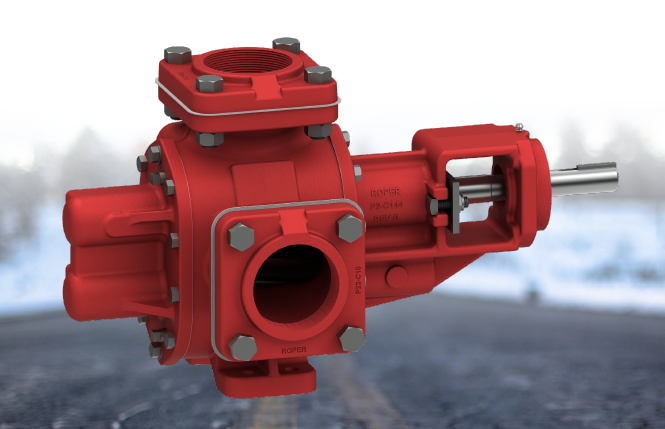
The Operational Mechanics of Gear Pumps
At a basic level, the bombas de engranajes industriales function through the precise interaction of two rotating gears within a closely fitted housing. As the gears rotate, the liquid is drawn into the suction port and trapped between the gear teeth and the casing. This trapped volume of fluid is then carried around to the discharge side, where it is forced out as the teeth mesh together.
This design creates a positive displacement action, which is why these pumps are valued for their predictability. Because the volume of fluid transferred per rotation remains relatively constant, operators can often correlate the pump speed directly with the output volume. This mechanical simplicity contributes to the robust nature of the equipment, as there are typically few moving parts involved compared to more complex pumping systems. The efficiency of this process is heavily reliant on the clearance between the gears and the housing wall; when these gaps are managed correctly, the pump can maintain pressure effectively even when handling thicker or more challenging substances.
Key Factors Influencing Pump Performance and Reliability
While the mechanics are straightforward, several variables influence how an industrial gear pump performs over the long term. A primary consideration is the nature of the fluid itself. Fluids with lubricating properties tend to support the longevity of the internal components, as the liquid provides a film between moving parts. Conversely, when a pump handles non-lubricating or abrasive fluids, the internal wear patterns can change, requiring different materials of construction or specialized coatings to maintain operational standards.
Viscosity is another factor that shapes the selection and operational limits of these pumps. Higher viscosity liquids generally flow more slowly and can create significant resistance. In these scenarios, the internal design must account for the power required to overcome this drag. Furthermore, system pressure requirements are vital; if an application demands high discharge pressure, the internal stresses on the gear shafts and bearings increase. A thoughtful approach to maintenance involves monitoring these pressures to ensure they stay within the design parameters, preventing premature fatigue of the mechanical seals and bearings.
Practical Approaches to Selection and Maintenance
Choosing the correct equipment for a specific environment requires a clear understanding of the operational goals. Before settling on a unit, facility managers often evaluate the duty cycle of the pump. A pump that operates continuously will have different thermal management and wear considerations than one that runs intermittently.
Essential Considerations for System Integration
- Fluid Compatibility: Ensuring that the seals and internal materials are chemically compatible with the transferred liquid is a foundational step in preventing leaks and degradation.
- System Calibration: Calibrating the pump speed to match the required flow rate helps prevent the system from operating under unnecessary strain, which in turn preserves the mechanical integrity of the components.
- Environmental Context: The physical space where the equipment is housed can influence its longevity. Factors such as ambient temperature and exposure to external contaminants should be weighed when planning for protective enclosures or specific material finishes.
Regular inspection is perhaps the most effective way to manage the health of an industrial gear pump. Rather than waiting for a failure, many operators establish a routine of listening for unusual vibrations or monitoring the discharge flow for fluctuations. Any deviation from the expected performance baseline typically serves as an early indicator that an internal component may need attention, such as a check on seal integrity or a reassessment of bearing wear.
Proactive Strategies for Long-Term Operation
For those managing the maintenance of bombas de engranajes, the strategy should be rooted in anticipating the needs of the system before a malfunction halts production. This starts with proper installation. Ensuring that the pump is perfectly aligned with the drive motor is one of the most effective ways to reduce stress on the internal shafts. Misalignment, even if subtle, can lead to uneven wear on the gears and bearings, eventually leading to a loss in volumetric efficiency.
Additionally, maintaining clear documentation regarding the pump’s operating history can be incredibly useful. Knowing when seals were last serviced or when the pump was last inspected for internal clearance changes allows a facility to transition from reactive repairs to a schedule based on actual usage.
When a pump shows signs of diminished performance, it is helpful to perform a thorough root-cause analysis. Is the drop in pressure due to a change in the fluid’s temperature, which altered its viscosity? Is there evidence of particulate matter in the fluid that is accelerating gear wear? By asking these questions, operators can address the underlying issue rather than simply replacing a part that may fail again for the same reason.
Taking a measured, knowledgeable approach to the use of bombas de engranajes industriales allows a facility to maintain consistent operations. By focusing on the relationship between fluid properties, mechanical tolerances, and routine monitoring, those who work with these systems can ensure that they continue to serve their purpose effectively. Establishing a clear dialogue with a knowledgeable supplier or service technician about the specific nuances of an application is a sensible next step for anyone looking to optimize their fluid transfer systems and ensure long-term equipment reliability.
 Spanish
  English