

Industrial processes often involve the transportation of fluids that are anything but ordinary. From thick sludges and slurries to abrasive mixtures and high-temperature oils, many operations require specialized pumping solutions. Enter the bomba de rotor helicoidal—a workhorse in industries where viscosity, abrasiveness, and temperature challenge traditional pump systems.
This article explores why progressive cavity pumps are ideally suited for handling complex fluids, their unique design, how they compare to other pump types, and how they integrate seamlessly into systems that utilize high temp oil pump technology. Whether you’re working in wastewater treatment, food processing, mining, or oil and gas, understanding the benefits of this technology can lead to more efficient, reliable, and cost-effective operations.
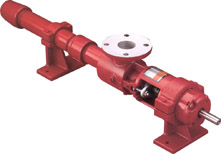
What is a Progressive Cavity Pump?
A bomba de rotor helicoidal is a type of positive displacement pump that excels in handling difficult fluids. It consists of a helical rotor that turns inside a stator, creating cavities that move fluid progressively through the pump in a continuous, low-pulsation flow.
Key Characteristics:
- Handles high-viscosity fluids with ease
- Tolerant to abrasives and solids
- Delivers a constant flow rate, regardless of pressure
- Self-priming and capable of running at various speeds
These traits make the progressive cavity pump invaluable for applications that would quickly wear out or clog centrifugal or diaphragm pumps.
Why Viscous and Abrasive Fluids Require Special Handling
Highly viscous fluids—such as crude oil, molasses, wastewater sludge, or industrial adhesives—are difficult to pump due to their resistance to flow. On the other hand, abrasive fluids like slurries and mixtures with sand, minerals, or metal particles can quickly degrade standard pumps.
Traditional pumping mechanisms struggle in these environments because:
- Centrifugal pumps lose efficiency with increased viscosity
- Diaphragm pumps are prone to clogging
- Gear pumps suffer wear and tear from abrasive particles
By contrast, progressive cavity pumps handle both viscosity and abrasiveness with resilience, thanks to their unique internal geometry and low-shear operation.
How Progressive Cavity Pumps Work
The operation of a progressive cavity pump revolves around its rotor and stator. As the rotor turns, it forms sealed cavities that progress along the length of the pump. This movement allows the pump to transfer thick or solid-laden fluids smoothly and consistently.
Advantages of Viscous Fluids:
- No turbulence or shear – essential for delicate or shear-sensitive materials
- Predictable flow rate – critical for batching and metering applications
- Excellent suction lift – ideal for pulling viscous fluids from tanks or pits
Advantages of Abrasive Fluids:
- Minimal internal contact points reduce wear
- Slow operating speeds prevent erosion
- Replaceable parts make maintenance economical
High Temp Oil Pumps: A Natural Companion
In processes where heat is involved—such as in refineries, food production, or solar thermal plants—a high temp oil pump is often necessary to move thermal oils that can reach temperatures of 300°C or more.
When paired with a progressive cavity pump, these high temp oil pumps contribute to highly efficient closed-loop systems capable of:
- Circulating heated oil through reactors or heat exchangers
- Transferring temperature-sensitive viscous liquids
- Maintaining steady flow even in high-pressure or high-temp conditions
These applications often overlap in industries like:
- Asphalt and bitumen processing
- Polymer and chemical manufacturing
- Biofuel and biomass energy production
The progressive cavity pump’s ability to move thick, heated oil complements the high temp oil pump in processes requiring precision and durability.
Applications Across Industries
Progressive cavity pumps shine in a variety of sectors due to their versatility:
They are widely used to transfer sludge, slurries, and thickened biosolids—fluids that are both viscous and abrasive.
They pump crude oil, drilling muds, and bitumen, often in tandem with high temp oil pump systems in thermal operations.
Perfect for moving viscous, chunky materials like tomato paste, peanut butter, or yogurt without damaging texture or quality.
Used to handle abrasive slurries containing rocks, sand, and chemicals, offering a long lifespan and fewer maintenance interruptions.
Essential in transferring high-viscosity resins, adhesives, and polymers under controlled conditions.
Design Innovations That Make a Difference
Modern progressive cavity pumps offer several advancements that enhance their performance:
- Multiple-stage designs for higher pressures
- Stainless steel and elastomeric materials for chemical resistance
- Variable frequency drives (VFDs) for adjustable flow rates
- Compact footprints for limited-space installations
Some manufacturers now offer pumps specifically designed for high-temperature operation, ensuring seamless integration with high temp oil pumps in industrial heating and processing systems.
Maintenance and Efficiency
While bombas de rotor helicoidal are robust, routine maintenance is key to maximizing their lifespan. Fortunately, these pumps are known for their ease of servicing.
Maintenance Tips:
- Regularly inspect the rotor and stator for wear
- Replace seals and bearings as needed
- Monitor flow consistency and pressure drops
- Use the right lubricant and cooling system for high-temp setups
Well-maintained pumps can operate for years with minimal downtime, making them a cost-effective choice despite their higher initial investment.
Choosing the Right Pump for Your Application
When selecting a progressive cavity pump, consider the following:
- Fluid characteristics (viscosity, temperature, abrasiveness)
- Required flow rate and pressure
- Space constraints and mounting configuration
- Compatibility with high temp oil systems if needed
Consulting with an expert can help you identify the ideal pump model and ensure compatibility with your entire fluid handling system.
When it comes to handling the toughest fluids in industrial environments, few technologies match the reliability and efficiency of the progressive cavity pump.
Its ability to move thick, abrasive, and high-temperature materials makes it a go-to solution across sectors from wastewater and energy to food processing and mining.
In tandem with a high temp oil pump, it forms a powerful duo capable of meeting modern demands for performance, safety, and sustainability. For operations aiming to streamline their fluid handling, reduce downtime, and extend equipment life, progressive cavity pumps offer a clear path forward.
 Spanish
  English