When dealing with thick, heavy, or sticky fluids, selecting the right pump can make or break your industrial operation. Whether you’re moving oils, resins, adhesives, or food-grade syrups, high-viscosity fluids pose unique challenges that require robust, efficient, and precise pumping solutions. That’s where the gear pump stands out as a top contender.
In this article, we’ll explore what makes bombas de engranajes ideal for high-viscosity applications, how to choose the right one, and what features define bombas de calidad in this segment.
Why High-Viscosity Fluids Need Specialized Pumping
Viscous fluids resist flow. As viscosity increases, so does the difficulty in moving the fluid at a steady rate without generating excessive heat, pressure, or wear. These fluids often require:
- Greater suction power
- Slower flow rates to reduce shear
- Tight tolerances to prevent leakage
- Strong materials to resist wear and tear
Unlike centrifugal pumps, which struggle with non-Newtonian or slow-moving liquids, positive displacement pumps like gear pumps excel in such conditions.
What Is a Gear Pump?
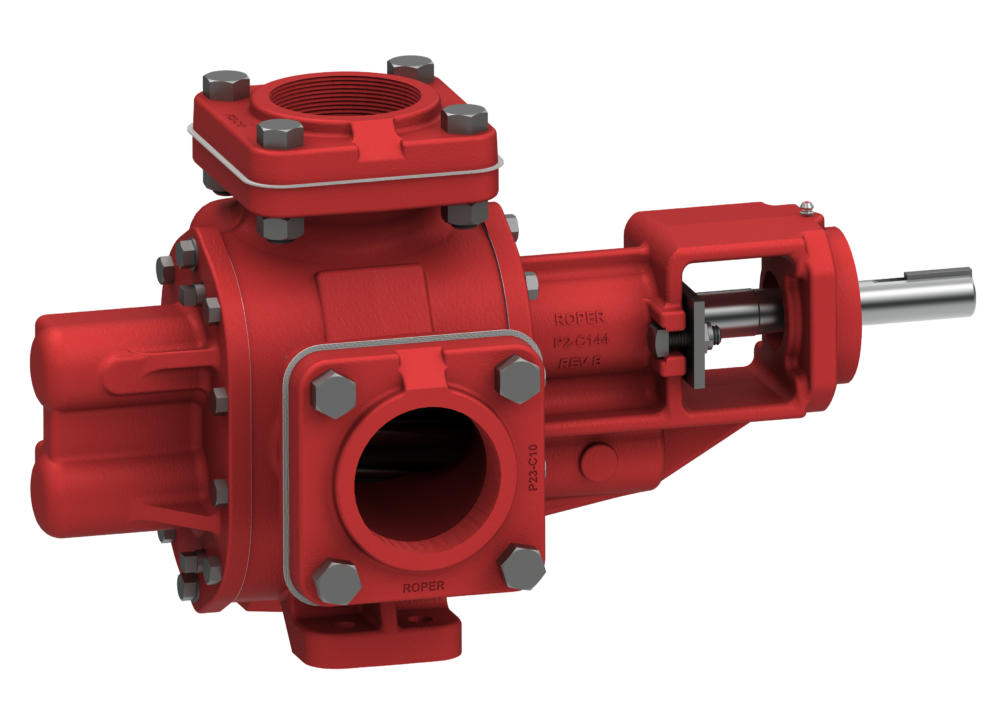
A gear pump is a type of positive displacement pump that uses meshing gears to move fluids by displacement. The two main types are:
External Gear Pump
Uses two identical, interlocking gears that rotate in opposite directions. Fluid is trapped between the gear teeth and the pump casing and carried from the inlet to the outlet.
Internal Gear Pump
Uses a rotor and an idler gear with a crescent-shaped seal. The internal design allows for smoother flow and better suction capabilities, often preferred for shear-sensitive or food-grade fluids.
Advantages of Gear Pumps for High-Viscosity Applications
Gear pumps are especially well-suited for handling high-viscosity fluids due to the following benefits:
Gear pumps produce a steady, pulseless flow that is ideal for dosing, coating, and transfer operations.
They can start without manual priming, making them reliable in systems with intermittent flow or remote operation.
Gear pumps maintain efficiency across a broad viscosity range, from medium oils to heavy molasses or asphalt.
They can handle high differential pressures, making them ideal for transferring viscous fluids over long distances or through filters.
Their simple construction offers a space-saving, cost-effective solution without compromising performance.
How to Choose the Right Gear Pump for High-Viscosity Fluids
Selecting the best pump depends on several critical factors. Here’s a step-by-step guide:
1. Understand Your Fluid Properties
Start by evaluating the viscosity, temperature, chemical compatibility, and abrasiveness of your fluid.
- Viscosity: Measured in centipoise (cP), gear pumps are suitable for fluids up to 1,000,000 cP in some configurations.
- Temperatura: High temperatures may require special seals and casing materials.
- Shear Sensitivity: Use internal gear pumps for shear-sensitive fluids like emulsions or syrups.
- Particulate Content: Solids in the fluid may require larger clearances or hardened components.
2. Determine Required Flow Rate and Pressure
Match the pump to your system’s:
- Desired flow rate (GPM or LPM)
- Maximum discharge pressure
- Suction lift capabilities
Keep in mind that thicker fluids may require a slower RPM y larger displacement volume to maintain flow without overloading the motor.
3. Select Material and Seals Wisely
Choosing durable materials and the right sealing configuration ensures long pump life and safety:
- Stainless steel or cast iron for strength and corrosion resistance
- Viton, PTFE, or mechanical seals, depending on chemical resistance and temperature
Investing in bombas de calidad with high-grade materials ensures better tolerance, smoother operation, and reduced downtime.

4. Prioritize Maintenance Accessibility
Gear pumps are known for low maintenance, but ease of cleaning and part replacement is still essential, especially in food-grade or pharmaceutical applications.
Look for:
- Easy access to gears and casing
- Modular components for quick replacement
- Availability of repair kits and manufacturer support
Comparing Gear Pumps to Other High-Viscosity Pumps
Pump Type | Flow Consistency | Viscosity Range | Self-Priming | Typical Applications |
|---|---|---|---|---|
Gear Pump | Excellent | Very High | Sí | Oils, adhesives, resins |
Peristaltic Pump | Good | Medium to High | Sí | Slurries, biotech, and abrasives |
Diaphragm Pump | Pulsed | Medium | Sí | Chemicals, paints |
Screw Pump | Excellent | Very High | No | Crude oil, thick lubricants |
When high precision and minimal pulsation are required, gear pumps stand out, especially when working with thicker fluids.
Quality Pumps vs. Low-End Options: What to Look For
Not all pumps are created equal. Here’s how to spot bombas de calidad that offer long-term value:
- Tight Tolerances: Precision engineering reduces leakage and improves flow efficiency.
- High-Grade Gears: Heat-treated or wear-resistant gears increase lifespan.
- Reliable Seals: Protect against leakage even under pressure or high temperature.
- Proven Manufacturers: Opt for brands known for durability, service, and spare availability.
- Positive Reviews: Field-tested reliability is a strong indicator of real-world performance.
A low-quality gear pump may work briefly, but frequent failures, low flow accuracy, and high maintenance costs quickly offset any initial savings.
Maintenance Tips for Long-Term Performance
To get the most out of your gear pump:
- Monitor discharge pressure to detect wear or blockages.
- Lubricate bearings as recommended.
- Inspect gears and seals routinely for wear.
- Avoid dry running, which can damage internal components.
- Flush the pump after each use when handling food or chemical products.
A small investment in proactive maintenance can extend the life of your pump dramatically.
When it comes to handling high-viscosity fluids, choosing the right pump is not just about flow rates and pressure—it’s about reliability, durability, and efficiency.
Gear pumps offer an unmatched combination of performance and precision for such demanding tasks.
By selecting bombas de calidad, considering material compatibility, and understanding your fluid’s behavior, you’ll ensure smooth operation and minimal downtime, whether you’re pumping industrial lubricants or dense food syrups.
As industries move toward tighter tolerances, higher throughput, and sustainability, the gear pump remains a trusted workhorse in high-viscosity fluid transfer, engineered for the thickest challenges ahead.
 Spanish
  English