

In industries where efficiency and durability matter most—especially those dealing with thick, heavy, or abrasive substances—choosing the right pump isn’t just about performance; it’s about process reliability, cost-effectiveness, and minimizing downtime. That’s where bombas de rotor helicoidal come into play.
Unlike centrifugal pumps that can struggle with high-viscosity materials, progressive cavity pumps are specifically designed to move challenging fluids while maintaining consistent flow, pressure, and volume. Whether you’re in wastewater treatment, food processing, oil and gas, or mining, these bombas de calidad can transform how you handle viscous and abrasive materials.
In this article, we’ll break down what progressive cavity pumps are, how they work, and why they’re the smart choice for specific industrial applications.
What Are Progressive Cavity Pumps?
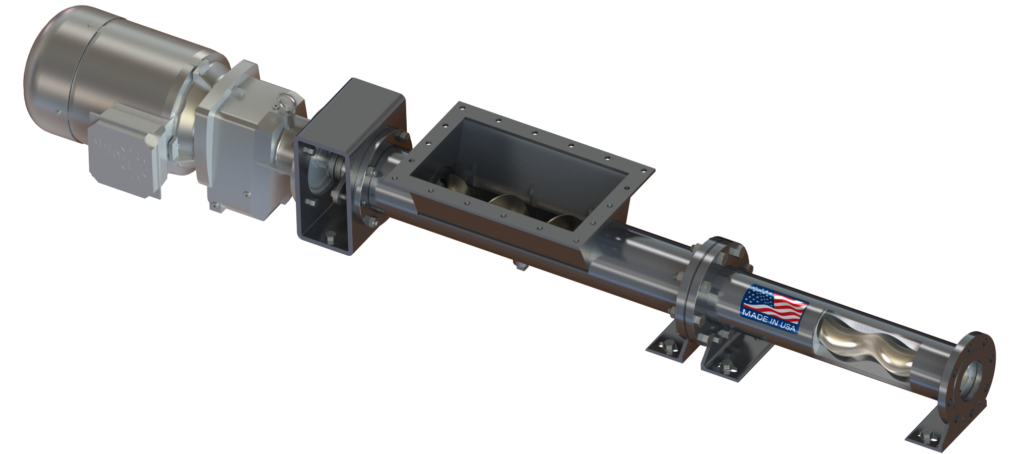
Progressive cavity pumps are a type of positive displacement pump known for their ability to move fluid with minimal shear and pulsation. They operate using a helical rotor that turns within a double-helix stator. As the rotor moves, it forms sealed cavities that progress from the suction to the discharge end, transporting fluid in a smooth, continuous flow.
This design allows them to handle fluids with:
- High viscosity (like sludge, molasses, or slurry)
- Abrasive particles (such as sand or grit)
- Solids in suspension
- Sensitive or shear-sensitive materials
In short, progressive cavity pumps are bombas de calidad built for complex challenges.
How They Work: A Simple Yet Effective Design
At the heart of the progressive cavity pump is its unique rotor and stator configuration. The rotor—typically made from hardened steel—is shaped like a single helix and rotates within the stator, which is shaped like a double helix and usually made from elastomer materials.
The movement between rotor and stator creates a series of cavities that carry fluid along the axis of the pump with each turn. Because the cavities are always in contact and maintain their shape throughout the pumping cycle, the flow remains:
- Non-pulsating
- Low in shear
- Volumetrically consistent
This makes progressive cavity pumps ideal for precise metering and controlled dosing applications as well.
When Should You Choose Progressive Cavity Pumps?
While progressive cavity pumps are not a one-size-fits-all solution, they are absolutely the best option for certain use cases.
1. When Dealing With High-Viscosity Fluids
These pumps shine when handling fluids that are too thick or sticky for other pump types. For example:
- Oil sludge
- Heavy syrups or sauces in food processing
- Paints and adhesives
- Bitumen and asphalt
Because the cavities stay sealed and flow is consistent, viscosity doesn’t disrupt performance the way it might with centrifugal pumps.
2. When Handling Abrasive Materials
Industries like mining, construction, and wastewater management often deal with fluids containing sand, grit, or other abrasive solids. Progressive cavity pumps are designed with wear-resistant materials and can move such media without rapid wear and tear.
3. When Shear Sensitivity Matters
Some fluids—like yogurt, creams, or polymers—are sensitive to shear and can degrade if processed roughly. Because progressive cavity pumps offer a gentle pumping action with low shear, they help preserve product integrity.
4. When Accurate Dosing or Metering Is Critical
These pumps offer precise volumetric displacement, making them excellent for applications that require:
- Chemical dosing
- Additive injection
- Controlled fluid metering
Industry Applications for Progressive Cavity Pumps
Here’s a breakdown of where these bombas de calidad are making a difference:
Wastewater Treatment
Sludge, slurry, and thick biosolids need efficient movement with minimal clogging. Progressive cavity pumps can handle both primary and secondary sludge with ease.
Food and Beverage
From sauces and batters to fruit pulp and dairy, these pumps maintain texture and taste integrity without damaging the product.
Oil and Gas
Heavy crude, drilling mud, and multiphase mixtures benefit from the pump’s robust design and ability to handle viscous or abrasive materials.
Chemical and Pharmaceutical
Precision dosing and chemical handling require stable flow and compatibility with aggressive or corrosive fluids, making progressive cavity pumps a perfect match.
Pulp and Paper
These pumps move thick pulps and slurries efficiently, even in the presence of fibrous or abrasive particles.
Advantages Over Other Pump Types
Unlike diaphragm or piston pumps, progressive cavity pumps offer a steady, uniform output that improves process control and equipment longevity.
These pumps can create high vacuum conditions, allowing them to pull fluids from deeper tanks or below-grade sources.
Progressive cavity pumps do not require external priming systems, making them more reliable in remote or demanding environments.
With just a switch in rotation, these pumps can reverse flow direction—ideal for flushing or process corrections.
Design Considerations for Long-Term Efficiency
To ensure that progressive cavity pumps perform at their best, proper system design and maintenance are essential. Here are a few tips:
- Choose the right elastomer: Ensure the stator material is compatible with the chemical and thermal properties of the fluid.
- Control speed: Higher speeds can increase wear, especially with abrasive media. It’s best to operate at lower RPMs when pumping gritty or solid-laden fluids.
- Seal and bearing care: Make sure seals are designed for the type of fluid and pressure you’re managing.
- Regular inspection: Because the rotor and stator are wear components, routine checks will help you avoid sudden breakdowns.
Investing in bombas de calidad from reputable manufacturers and adhering to proper usage guidelines ensures long-term performance.
When Progressive Cavity Pumps May Not Be Ideal
While these pumps offer versatility, there are situations where another type might be more suitable:
- High-flow, low-viscosity applications: Centrifugal pumps may be more energy-efficient in such cases.
- Fluids with large solids: Although progressive cavity pumps can handle some solids, large or sharp objects may cause damage.
- Tight budgets: These pumps typically have a higher upfront cost and maintenance requirement than simpler designs.
However, in most challenging fluid-handling scenarios, the long-term efficiency and reliability of progressive cavity pumps outweigh initial costs.
Smart Pumping for Demanding Applications
When dealing with thick, abrasive, or delicate fluids, choosing the right equipment is the key to maintaining operational efficiency.
Progressive cavity pumps offer unmatched performance for industries that can’t afford clogging, breakdowns, or process inconsistencies.
From wastewater plants and food factories to oil fields and chemical plants, these bombas de calidad are the go-to choice for fluid control under pressure. Their unique design, combined with dependable output, makes them a smart investment for any facility that values precision, durability, and smooth operation.
 Spanish
  English