
Pump technology plays a critical role in countless industrial processes, even in industries that seem completely unrelated. Whether moving crude oil through pipelines or transporting liquid chocolate through food production systems, pumps provide the mechanical force needed to transfer materials safely and efficiently. The ability to handle different types of fluids—from heavy oils to delicate food ingredients—demonstrates the versatility and importance of modern pump engineering.
In sectors ranging from energy production to food manufacturing, oil pump manufacturers and specialized equipment, such as chocolate pumps, help ensure that complex production systems operate smoothly. Although the industries they serve are vastly different, both rely on precision pump technology to maintain efficiency, product quality, and consistent performance.
Understanding how these pumps function and why they are essential can offer valuable insight into the role of fluid transfer technology across multiple industries.
The Essential Role of Pumps in Industrial Systems
Pumps are mechanical devices designed to move liquids or semi-liquid materials from one location to another. They operate by converting mechanical energy into fluid movement, allowing industries to transport materials through pipelines, tanks, and processing systems.
In industrial environments, pumps must perform reliably under varying conditions. Some applications involve high temperatures and pressure, while others require careful handling of sensitive materials.
Because of these demands, oil pump manufacturers focus on designing systems capable of moving thick and heavy petroleum products. Meanwhile, specialized chocolate pumps are engineered to transfer viscous food products without altering their texture or consistency.
Despite the differences in application, both types of pumps share a common goal: maintaining controlled and efficient fluid movement.
Oil Pumps in the Energy Industry
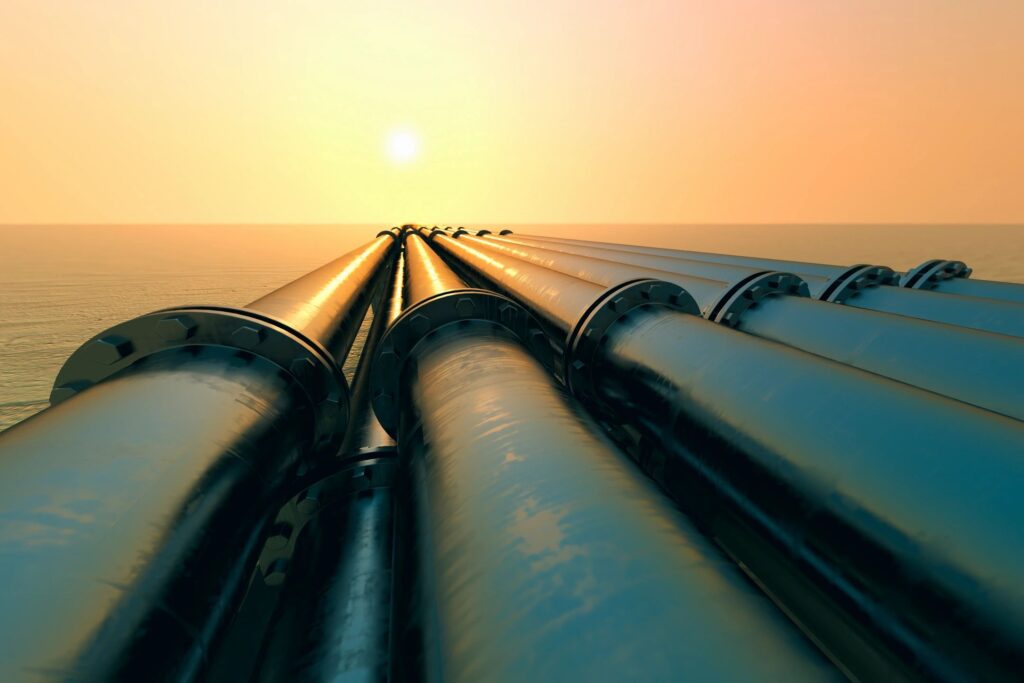
The energy sector relies heavily on pump systems to transport petroleum products across different stages of production and distribution. From extraction sites to refineries and pipelines, oil must be moved through complex networks of equipment.
Oil pump manufacturers design systems capable of handling the high viscosity and density of crude oil and related substances. These pumps must operate in demanding environments where durability and efficiency are essential.
Key functions of oil pumps include:
- Transporting crude oil from extraction points
- Moving refined fuels through pipelines
- Circulating lubricating oils in machinery
- Supporting processing operations in refineries
Because petroleum products can vary in thickness and chemical composition, oil pumps must be built to handle a wide range of operating conditions.
Reliable pumping systems ensure that energy production remains efficient and safe.
Pump Technology in Food Processing
While pump technology is often associated with heavy industries, it also plays a significant role in food production. Food manufacturers rely on specialized pumps to move ingredients through production lines while maintaining product integrity.
In the confectionery industry, chocolate pumps are used to transport liquid chocolate through pipes and processing equipment. Chocolate is a viscous substance that requires careful handling to preserve its smooth texture and quality.
Unlike pumps used in industrial environments, chocolate pumps must meet strict food safety standards. They are designed to handle delicate ingredients without introducing contamination or excessive heat.
This careful balance of functionality and hygiene ensures that food products maintain consistent quality throughout the production process.

Why Specialized Pumps Are Necessary
Different industries require different pumping solutions because fluids vary widely in their physical properties. Factors such as viscosity, temperature, and sensitivity to pressure can influence the type of pump required.
For example, petroleum products often contain heavy compounds that require strong pumping mechanisms. As a result, oil pump manufacturers develop robust systems capable of handling these demanding fluids.
In contrast, food processing requires gentle fluid movement to prevent damage to ingredients. Chocolate pumps are designed to transport viscous chocolate smoothly without creating air bubbles or altering its structure.
The need for specialized pump designs highlights the complexity of fluid handling in modern industrial operations.
Key Features of Modern Pump Systems
Advances in engineering have improved the performance and efficiency of pump technology. Today’s pumps incorporate materials and designs that enhance durability while reducing energy consumption.
Common features found in modern pump systems include:
Precision Flow Control
Maintaining a consistent flow rate is critical in many industrial processes. Both oil pump manufacturers and food processing engineers rely on pumps capable of delivering precise fluid movement.
Durable Construction
Industrial pumps must withstand continuous operation under challenging conditions. High-quality materials ensure that pumps remain reliable even when handling heavy oils or dense chocolate mixtures.
Efficiency and Energy Savings
Modern pumps are designed to minimize energy usage while maintaining high performance. Efficient pump systems reduce operational costs and support sustainable manufacturing practices.
These advancements help industries maintain productivity while reducing environmental impact.
Maintenance and Reliability
Like any mechanical equipment, pumps require regular maintenance to ensure long-term performance. Proper care helps prevent unexpected failures and extends the lifespan of critical components.
Maintenance practices often include:
- Monitoring pump pressure and flow rates
- Inspecting seals and moving parts
- Cleaning and lubricating internal components
- Replacing worn elements before they fail
For systems designed by oil pump manufacturers, maintenance may involve checking components exposed to high pressure and heavy loads.
In food production environments using chocolate pumps, maintenance focuses on hygiene and preventing ingredient buildup inside pump systems.
Regular maintenance helps keep both industrial and food processing operations running efficiently.
Innovation in Pump Technology
Engineering advancements continue to improve pump technology across multiple industries. Researchers are developing new materials and designs that increase durability while improving fluid handling capabilities.
For example, improved sealing technologies help pumps operate more efficiently under extreme pressure conditions. These innovations benefit industries served by oil pump manufacturers, where reliability is crucial for large-scale energy operations.
At the same time, food processing equipment such as chocolate pumps has evolved to meet stricter hygiene standards and ensure consistent product quality.
The integration of digital monitoring systems is also becoming more common. These systems allow operators to track pump performance in real time and detect issues before they lead to equipment failure.
The Future of Fluid Transfer Systems
As industries continue to grow and diversify, the demand for advanced pump technology will only increase. From energy production to food manufacturing, reliable fluid transfer systems are essential for maintaining efficient operations.
The expertise of oil pump manufacturers ensures that energy industries can move petroleum products safely through complex infrastructure. Meanwhile, specialized equipment like chocolate pumps supports the production of high-quality confectionery products enjoyed worldwide.
These technologies demonstrate how engineering innovation can serve vastly different industries while relying on the same fundamental principles of fluid dynamics and mechanical design.
Pump systems are often overlooked, yet they form the backbone of many industrial processes. Whether transporting crude oil across long pipelines or moving liquid chocolate through confectionery production lines, pumps enable industries to function efficiently and reliably.
The work of oil pump manufacturers ensures that energy systems operate under demanding conditions, while specialized equipment, such as chocolate pumps, helps maintain quality and consistency in food manufacturing.
Together, these technologies highlight the remarkable versatility of modern pump engineering and its essential role in supporting both industrial infrastructure and everyday products.
 English
  Spanish