

In industrial processing environments, the movement of fluids is rarely as simple as turning a faucet. Engineers and facility managers often face a critical choice when designing liquid transfer systems: whether to implement a progressive cavity pump or a chemical gear pump. While both play vital roles in manufacturing, their operating principles, performance curves, and ideal applications are fundamentally different. Understanding these mechanical distinctions is essential for maximizing uptime, reducing maintenance costs, and ensuring the longevity of your fluid handling infrastructure.
Understanding the Operating Mechanics
At a high level, both pump types are classified as positive displacement pumps, meaning they move a specific volume of fluid with each rotation of the pump shaft. However, the internal geometry dictates how they handle different media.
The Positive Displacement of a Progressive Cavity Pump
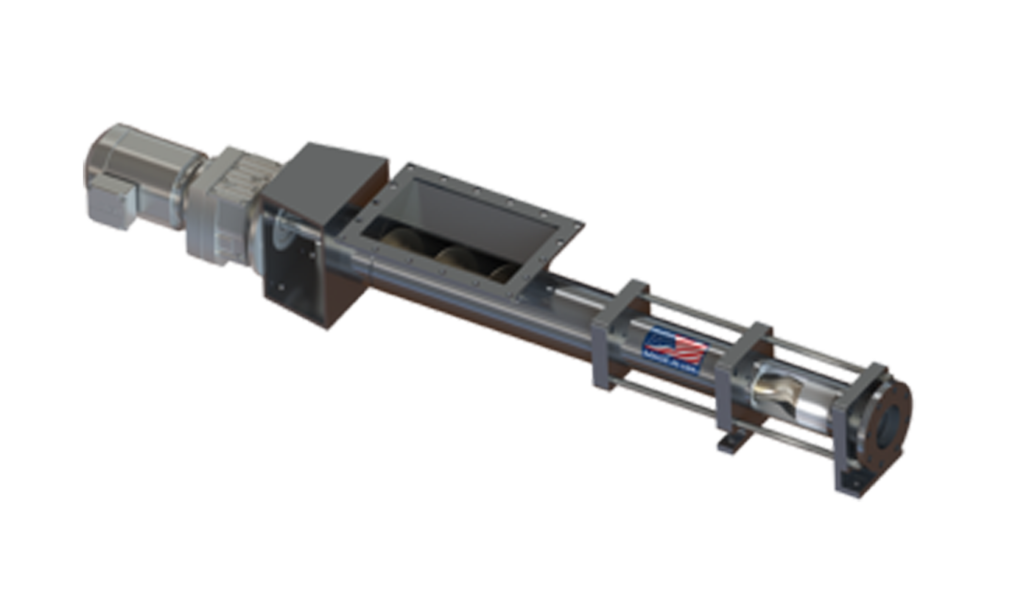
A progressive cavity pump operates through a helical rotor turning inside a stationary elastomer stator. This creates a series of sealed cavities that progress from the suction side to the discharge side as the rotor turns. Because of this unique geometry, the fluid is transported in a uniform, non-pulsating flow. This design excels in handling viscous, abrasive, or shear-sensitive materials. The internal sliding action is relatively gentle, making it the preferred choice for fluids containing suspended solids or delicate molecular structures that could be damaged by high-velocity agitation.
The Precision of a Chemical Gear Pump
In contrast, a chemical gear pump relies on the meshing of two precision-machined gears within a close-tolerance housing. As the gears rotate, fluid is trapped in the gaps between the gear teeth and the casing, then carried around to the outlet. Because of the extremely tight clearances required to maintain high volumetric efficiency, these pumps are primarily used for thin to medium-viscosity fluids that possess lubricating properties. They provide a highly consistent flow rate that is directly proportional to the rotation speed, making them exceptionally accurate for dosing and metering applications.
Key Performance Indicators for Fluid Selection
Choosing the right equipment requires a thorough audit of your process requirements. Ignoring these factors can lead to cavitation, seal failure, or premature internal wear.
Viscosity and Shear Sensitivity
When a process involves high-viscosity fluids, such as polymers, thick food pastes, or heavy slurries, the progressive cavity pump is generally the superior choice. Its ability to maintain a steady flow without subjecting the medium to intense mechanical shear allows it to move thick fluids efficiently over long distances.
Conversely, if your process requires the precise handling of thin, non-abrasive chemicals, a chemical gear pump is often the more efficient solution. Because these pumps rely on close internal tolerances, they are not suitable for fluids containing abrasive solids, as these particles would rapidly score the gears and housing, causing a swift decline in pressure and flow capability.
Dosing Accuracy and Metering
For operations requiring absolute precision, such as the injection of additives or the fine control of reactive catalysts, the chemical gear pump is often favored. The design offers excellent repeatability; provided the system pressure remains stable, the flow rate remains incredibly predictable. While modern control systems allow for high accuracy in various pump types, the inherent mechanical design of gear-based systems minimizes slip, making them the standard for critical chemical metering.
Maintenance and Long-Term Reliability
Operational downtime is the greatest hidden cost in any industrial facility. The maintenance profile of your pump fleet should be evaluated against your internal technician capabilities and the criticality of the process line.
Managing Wear in Progressive Cavity Systems
The primary wear component in a progressive cavity pump is the elastomer stator. Over time, friction and chemical exposure can degrade the material. However, this is a predictable maintenance cycle. Technicians familiar with these systems can often replace the stator and rotor with relative ease. These units are also highly resilient when facing process upsets, such as unexpected dry running or sudden surges in particulate matter, which might be catastrophic for more delicate hardware.
Sustaining Close-Tolerance Gear Systems
A chemical gear pump requires a higher degree of environmental control. Because the operation depends on tight tolerances, even minor wear on the gear teeth can lead to internal recirculation, which drops performance and increases heat generation. Consequently, these systems often require more stringent filtration upstream to protect the internal components. When maintenance is required, it frequently involves precision replacement of the gear set or the entire cartridge to restore original performance levels.
Determining the Best Fit for Your Facility
The decision to install a specific pump type should be governed by the specific physical properties of the fluid being moved. Before finalizing a specification, consider these three diagnostic questions:
1. Does the fluid contain solids? If you are moving slurries, waste-heavy fluids, or abrasive mixtures, opt for the resilient design of a progressive cavity pump.
2. Is the fluid shear-sensitive? If your process includes polymers, paints, or food products where agitation ruins the consistency, prioritize the gentle, cavity-based transport mechanism.
3. Is high-pressure metering required? For thin, lubricating fluids where flow precision is the highest priority, a chemical gear pump provides the reliability needed for long-term consistency.

Integration Into Existing Process Loops
Modern fluid management often involves integrating multiple pump technologies to ensure the entire system functions efficiently. It is not uncommon to find a facility using a chemical gear pump for precise chemical dosing at the front end of a batch process, while employing a larger progressive cavity pump to transfer the final product through a thick piping network to packaging.
Regional industrial hubs, which often house complex chemical or food processing plants, require a robust inventory of spare parts and a deep understanding of pump theory to avoid supply chain bottlenecks. Partnering with suppliers who offer comprehensive technical support can ensure that your facility is equipped with the correct seals, drive motors, and mounting configurations for the specific medium you are processing.
Ultimately, your goal is to achieve the lowest possible total cost of ownership. This means looking past the initial purchase price and focusing on power consumption, mean time between repairs (MTBR), and the capability of the unit to handle fluctuations in your process stream. By carefully aligning the mechanical strengths of your pumping equipment with the specific demands of your media, you can stabilize your output and ensure that your fluid handling systems operate silently and effectively for years to come.
Whether you are upgrading an aging system or designing a new line, the choice between these two workhorse technologies will define your plant’s operational efficiency. Take the time to analyze your fluid’s viscosity, solid content, and metering needs, and your equipment will serve you well without the need for constant intervention.
 English
  Spanish