

In industrial facilities, the movement of viscous fluids is a foundational requirement. Whether a plant is processing heavy fuel oil, resins, or chemical additives, the ability to maintain consistent flow is non-negotiable. While centrifugal pumps dominate the landscape for low-viscosity applications, they often fall short when fluid thickness increases or when process temperatures rise. This is where the displacement technology of a gear pump becomes indispensable. By understanding the mechanical advantages and limitations of these units, operations managers can improve system efficiency and extend the life of their high-temperature process lines.
The Mechanical Logic of Positive Displacement
At its simplest level, a rotary pump works by capturing a fixed volume of fluid in the spaces between the teeth of two meshing gears. As the gears rotate, they carry this fluid from the inlet side to the outlet side. Because the fluid is trapped in these discrete pockets, the flow rate remains largely independent of the system pressure.
This characteristic makes it a high temp oil pump of choice for many engineers. Unlike centrifugal designs, where internal slip increases dramatically as viscosity rises, the mechanical seal of the gear teeth ensures that the fluid is forced forward, providing a stable, predictable output even as the fluid heats up or thickens. This stability is critical in closed-loop thermal oil systems where precise flow is required to maintain uniform heat distribution across a manufacturing line.
Handling Thermal Expansion in Pumping Systems
When a process involves high-temperature fluids, the primary challenge is not just the material of the pump, but the physical reality of thermal expansion. As temperatures rise, metals expand, potentially tightening the clearances between internal moving parts. If not accounted for, this can lead to seizing or rapid wear.
An expertly engineered gear pump designed for thermal applications utilizes specific internal clearances—often called “hot clearances”—that accommodate the expansion of the rotors and shafts as they reach operating temperature. When selecting or maintaining equipment for these environments, it is vital to verify that the internal tolerances are rated for the specific heat range of the process fluid. A pump that functions perfectly at ambient temperatures may experience premature failure if it is not specifically configured as a high temp oil pump capable of handling the expansion of internal components at 300°F or higher.
Key Considerations for High-Temperature Applications
Operating at elevated temperatures introduces several variables that influence the long-term reliability of any industrial pumping system. Failure to address these can lead to shortened bearing life, seal degradation, and cavitation.
Thermal Fluid Compatibility
The chemical stability of the fluid being pumped is a major factor. Some oils begin to oxidize or “coke” when exposed to high surface temperatures. If an oil breaks down inside the pump, it can create abrasive carbon deposits that act like sandpaper on the gear teeth and housing. Selecting a gear pump with proper metallurgy—such as hardened steel or stainless steel alloys—is essential to mitigate the effects of these deposits.
The Importance of Sealing Technology
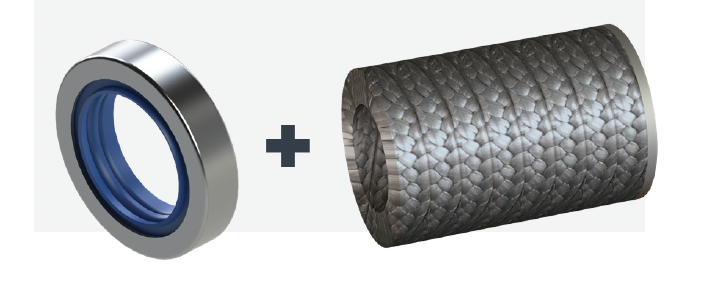
The seal is the most frequent point of failure in any pump operating under heat. Traditional mechanical seals may utilize elastomers that harden or crack when exposed to extreme thermal cycles. In high-temperature installations, experts often specify metal-bellows seals or cooling jackets. These features help keep the seal faces at a manageable temperature, preventing the fluid from flashing or carbonizing at the critical sealing interface.
Monitoring for Thermal Fatigue
Even the most robust high temp oil pump requires a structured maintenance regimen. Because high temperatures accelerate metal fatigue, proactive monitoring is superior to reactive repairs. Maintenance teams should prioritize:
- Vibration Analysis: Identifying early signs of bearing wear or internal gear misalignment.
- Temperature Differential Tracking: Watching for deviations between the suction and discharge temperatures, which can indicate internal friction or slip.
- Seal Flush Inspection: Ensuring that any barrier fluid systems or cooling loops are performing within their specified parameters.
Choosing the Right Configuration for Process Demands
Not every application requires the same level of complexity. When specifying a pump for a specific workflow, engineers must weigh the cost of metallurgy against the expected service life.
For example, a low-pressure application involving clean, high-viscosity oil may be well-served by a standard cast-iron unit with bronze bushings. However, if the process involves fluctuating temperatures or high differential pressures, upgrading to a gear pump with pressure-balanced features and specialized silicon carbide bearings will significantly reduce downtime.
Furthermore, the integration of an external bypass or pressure relief valve is critical. In a positive displacement system, if the discharge line is accidentally closed, the pressure will rise almost instantaneously, potentially bursting the housing or destroying the motor. Ensuring that the pump system includes a correctly calibrated relief mechanism is not just an operational preference; it is a fundamental safety requirement in high-heat fluid handling.
Optimizing Flow Control in Thermal Oil Circuits
Efficiency in thermal management often hinges on the speed at which fluid moves through the circuit. Many modern facilities are turning to variable frequency drives (VFDs) paired with a high-performance high temp oil pump to gain finer control over their thermal processes.
By adjusting the rotational speed of the pump based on real-time temperature feedback from the boiler or furnace, operators can maintain precise thermal regulation. This approach reduces the stress on the pump during periods of low demand and lowers energy consumption. However, users must be cautious; running a pump too slowly can sometimes result in poor lubrication of the internal bearings, as the film strength of the oil depends on the rotational velocity of the gear set. Always consult the manufacturer’s duty curves to ensure the selected pump operates within its “sweet spot” at all target speeds.
The Future of Industrial Pumping Reliability
The trend in industrial engineering is shifting toward “fit-for-purpose” equipment. The era of over-specifying every component is being replaced by data-driven selections that emphasize total cost of ownership rather than just initial purchase price. A well-selected gear pump that matches the specific thermal and chemical profile of the process fluid will almost always outperform a more expensive, generic unit that lacks the correct metallurgical or tolerance considerations.
By focusing on the interaction between fluid viscosity, operational temperature, and the mechanical precision of the internal gear set, facility managers can achieve higher reliability and lower maintenance costs. As processes become more automated and temperatures continue to serve as a proxy for efficiency in modern manufacturing, the role of reliable positive displacement pumping remains as vital as ever. Whether you are upgrading an existing line or specifying a new installation, taking the time to understand the nuances of your fluid handling requirements will ensure that your equipment remains a productive asset rather than a hidden source of operational risk.
 English
  Spanish