
In the landscape of modern manufacturing and chemical processing, the movement of viscous, shear-sensitive, and abrasive fluids represents a significant engineering hurdle. When standard centrifugal pumps fail to meet the rigorous demands of material handling, facility managers often find that their process flow is compromised by cavitation, excessive wear, or inconsistent delivery. Selecting the right hardware is not merely a maintenance decision; it is a fundamental pillar of production reliability.For those overseeing complex fluid handling operations, understanding the nuanced advantages of quality pumps is essential. The difference between an efficient production line and one plagued by downtime often boils down to how effectively the pumping technology is matched to the rheology of the substances being moved.

The Engineering Advantages of Progressive Cavity Pumps
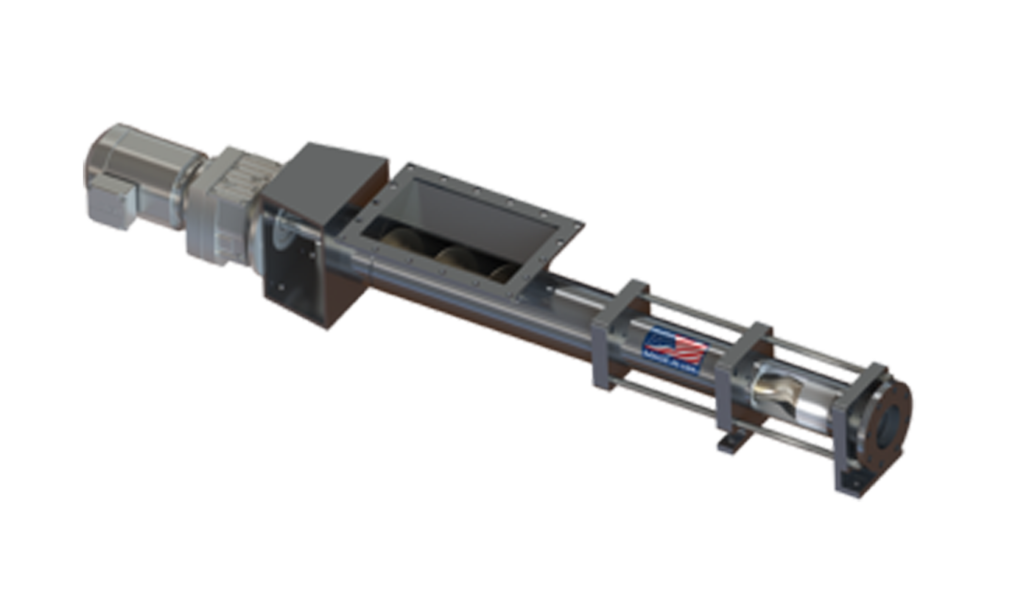
When dealing with fluids that possess high viscosity or require precise, pulse-free discharge, progressive cavity pumps emerge as the industry standard. Unlike traditional rotary gear or centrifugal designs, these positive displacement systems utilize a single-helix rotor turning within a double-helix stator. This creates a series of sealed cavities that carry the medium from the suction port to the discharge port with minimal turbulence.
Why Shear Sensitivity Matters in Fluid Transfer
Many high-value products—such as polymers, food-grade slurries, and chemical reagents—are sensitive to mechanical stress. Traditional pumping mechanisms that subject these materials to high-speed impellers can break down molecular structures, leading to separation or degradation of the product. The low-shear pumping action inherent in this design preserves the integrity of the fluid, ensuring that the final output matches the initial input specifications.
Managing Abrasive Media Without Accelerated Wear
Operations involving slurries, wastewater, or mining tailings present a constant threat to pump longevity. Because the internal velocity within a cavity pump is remarkably low compared to high-speed kinetic pumps, the abrasive force exerted on the internal components is significantly reduced. This allows for a much longer service life when handling solid-laden liquids. Facility managers often find that investing in higher quality pumps specifically engineered for these conditions leads to a drastic reduction in total cost of ownership, as the frequency of stator and rotor replacements decreases.
Evaluating System Requirements for Pumping Infrastructure
Selecting the appropriate equipment requires an audit of both the fluid characteristics and the operational environment. Before integrating new pumping solutions into your facility, consider the following performance parameters that dictate the success of your fluid transfer infrastructure.
Viscosity and Flow Consistency
The efficiency of a pump is largely dictated by the fluid’s resistance to flow. As viscosity increases, the internal friction within the pump increases, potentially leading to overheating or motor strain in standard systems. A progressive cavity pump maintains a constant flow rate regardless of backpressure variations. This is critical for processes like precision dosing, where even a slight fluctuation in pressure could lead to inaccurate chemical ratios or inconsistent batch quality.
Material Compatibility and Seal Integrity
Industrial environments often involve volatile or corrosive substances. The selection of materials for the rotor, stator, and mechanical seals must be cross-referenced with chemical compatibility charts. In high-demand settings, the use of superior construction materials prevents premature failure and environmental leaks. Reliable quality pumps utilize advanced seal technology—such as double-mechanical seals or magnetic drives—to eliminate leakage points that would otherwise pose safety and compliance risks.
Best Practices for Maintaining Pumping Reliability
The longevity of your fluid handling system is not determined solely by the initial purchase; it is governed by a rigorous maintenance schedule. Even the most robust progressive cavity pumps require periodic oversight to ensure peak performance.
Implementing Predictive Maintenance Strategies
Moving from reactive to predictive maintenance can prevent catastrophic failures. This involves monitoring vibration patterns, observing heat levels at the motor and bearing housings, and utilizing ultrasonic flow meters to detect internal slippage. By tracking these variables, technicians can identify when a stator is nearing the end of its service life before it results in a system-wide shutdown.
Optimizing Suction and Discharge Conditions
The health of any pump is heavily influenced by the conditions of the piping network that supports it. Cavitation is the silent killer of pumping efficiency, occurring when the pressure at the suction port drops below the vapor pressure of the fluid. Ensuring that suction lines are properly sized and free of obstructions is vital. Furthermore, installing pressure relief valves and check valves provides a layer of safety that protects the pump housing from dangerous pressure spikes.
Improving Scalability and Process Flexibility
As production needs evolve, the ability of your hardware to adapt to changing throughput requirements becomes a key competitive advantage. Variable Frequency Drives (VFDs) have revolutionized the operation of industrial pumps. By integrating VFDs with progressive cavity pumps, operators can precisely tune the flow rate to match real-time production demands.
This not only optimizes energy consumption—a major operational expense in larger facilities—but also reduces unnecessary mechanical wear. When a process requires less output, the pump simply slows down rather than fighting against a restrictive discharge valve, which would otherwise generate heat and internal recirculation.

The Role of Professional Integration
Selecting and installing the correct pumping technology is a specialized task. While the theory behind positive displacement is well understood, the practical application in a real-world facility involves complex variables like pipe friction, net positive suction head (NPSH), and environmental operating temperatures.
Consulting with experts who specialize in fluid dynamics allows for a system design that considers the holistic needs of the plant. A well-designed fluid transfer system should be modular, easy to access for routine service, and integrated into the broader plant automation network. This level of foresight transforms a routine equipment purchase into a strategic asset that supports high-speed production and minimizes the risks of environmental or safety non-compliance.
Ultimately, the goal is to create a seamless flow of materials that supports your facility’s output targets without the constant anxiety of equipment failure. By prioritizing quality pumps that are designed for the specific challenges of your fluid properties and committing to proactive maintenance, you establish a stable foundation for long-term operational excellence.
For those operating in high-stakes manufacturing, the focus remains clear: eliminate friction, preserve product integrity, and ensure the consistent delivery of every batch. As you refine your infrastructure, prioritize the durability and precision that industry-proven pumping technology provides. Doing so ensures that your process continues to move smoothly, reliably, and efficiently, regardless of the challenges posed by your industrial media.
 English
  Spanish